I, Sarah Donovan, began Ethical ELA in 2015 as a blog to reflect on my teaching practices as a junior high ELA teacher in a suburb of Chicago. I wrote about choice reading and ungrading and the ethical questions that arose for me. Essentially, I came up against a lot of moments when I didn't feel good about what grades did to and for students, what rubrics did to and for students, what curriculum was doing to and for students ,and what I was doing to and for students. Writing about it helped me surface those tensions.
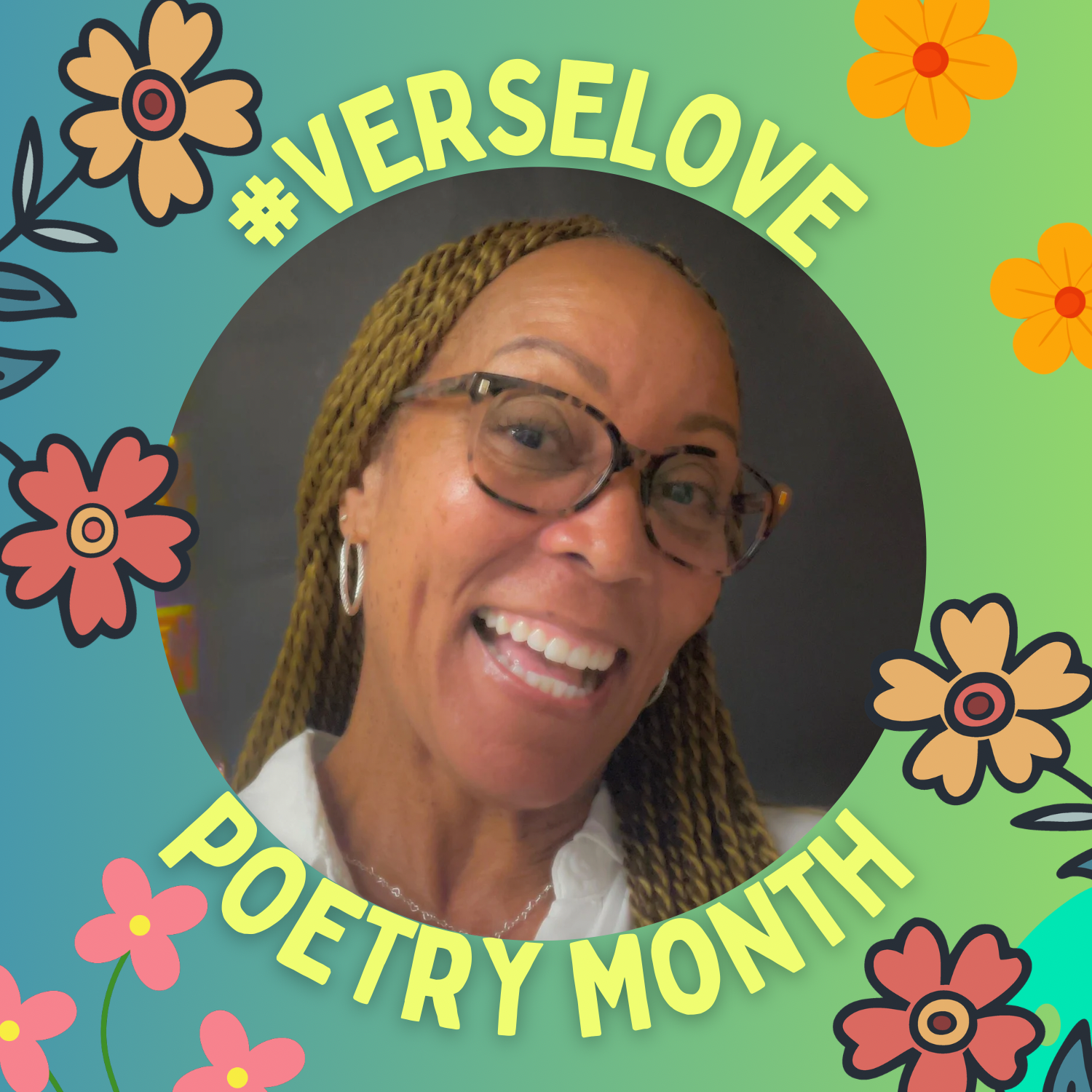
In 2017, I began using Ethical ELA in Aprils for a National Poetry Month celebration. Like many others, I invited teachers to write a poem a day with me and my students. Later, we began to call it VerseLove. And then, during the pandemic, some Ethical ELA friends suggested we write poetry monthly, so we now write poetry the third weekend of every month. We call this the Open Write. And sometimes we have themed series around teaching or writing or poetry or reading. In all cases, the writers of Ethical ELA extend far beyond me. This site lives because teachers contribute poetry prompts, read and write alongside one another, answer a call to contribute an essay from time to time. And for that, for you, I am grateful.
You may wonder why this site is called "ethical" ELA (English Language Arts). For us, ethics is not a set of rules or codes but, like Levinas suggests, a "first philosophy" -- a fundamental starting point or belief that a human's first responsibility is to the people alongside us. This might mean that we see one another in our kind of radical uniqueness, a way of being that acknowledges that we are not meant to understand wholly or to assimilate to any one way of being with others, but it is a consideration for how we can be responsible to and for one another in asymmetrical ways, and to nurture care-ful relationality.
When we write together, we invite a kind of vulnerability that, in fact, invites care for and with one another. Together , we witness and validate the real, unfiltered humanity of the person behind the text. And so, I found Levinas's inter-human ethic to be a grounding force behind this site's name. And, yes, there are others who write about humanizing practices and ethics of care (Bartolome, Freire, hooks, Noddings, Zembylas). I think with them, too. Who else can we think with? I am listening.












































 EBook: Mosaic of Minds
Suggested Price: $0.00
EBook: Mosaic of Minds
Suggested Price: $0.00
 eBook: Toledo: Writing Our Place
Suggested Price: $0.00
eBook: Toledo: Writing Our Place
Suggested Price: $0.00
 EBook: Paper Rockets: Stories Taking Flight
$0.00
EBook: Paper Rockets: Stories Taking Flight
$0.00
 EBook: Just YA: Short Poems, Essays, & Fiction for Grades 7-12
$0.00
EBook: Just YA: Short Poems, Essays, & Fiction for Grades 7-12
$0.00
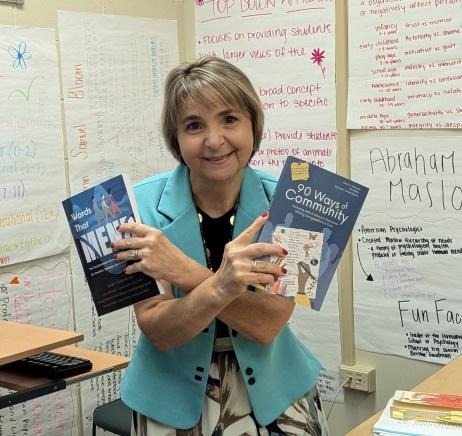
 EBook: 90 Ways of Community: Nurturing Safe & Inclusive Classrooms Writing One Poem at a Time
$0.00
EBook: 90 Ways of Community: Nurturing Safe & Inclusive Classrooms Writing One Poem at a Time
$0.00
 EBook: Words That Mend: The Transformative Power of Writing Poetry for Teachers, Students, and Community Wellbeing
$0.00
EBook: Words That Mend: The Transformative Power of Writing Poetry for Teachers, Students, and Community Wellbeing
$0.00
 EBook: Alone Together
$0.00
EBook: Alone Together
$0.00